Category: power lift chairs
Posted by 2025-12-24 11:12
hoyer lift for standing
Beyond Transfers: How Hoyer Lifts for Assisted Standing Restore Upright Strength and Health
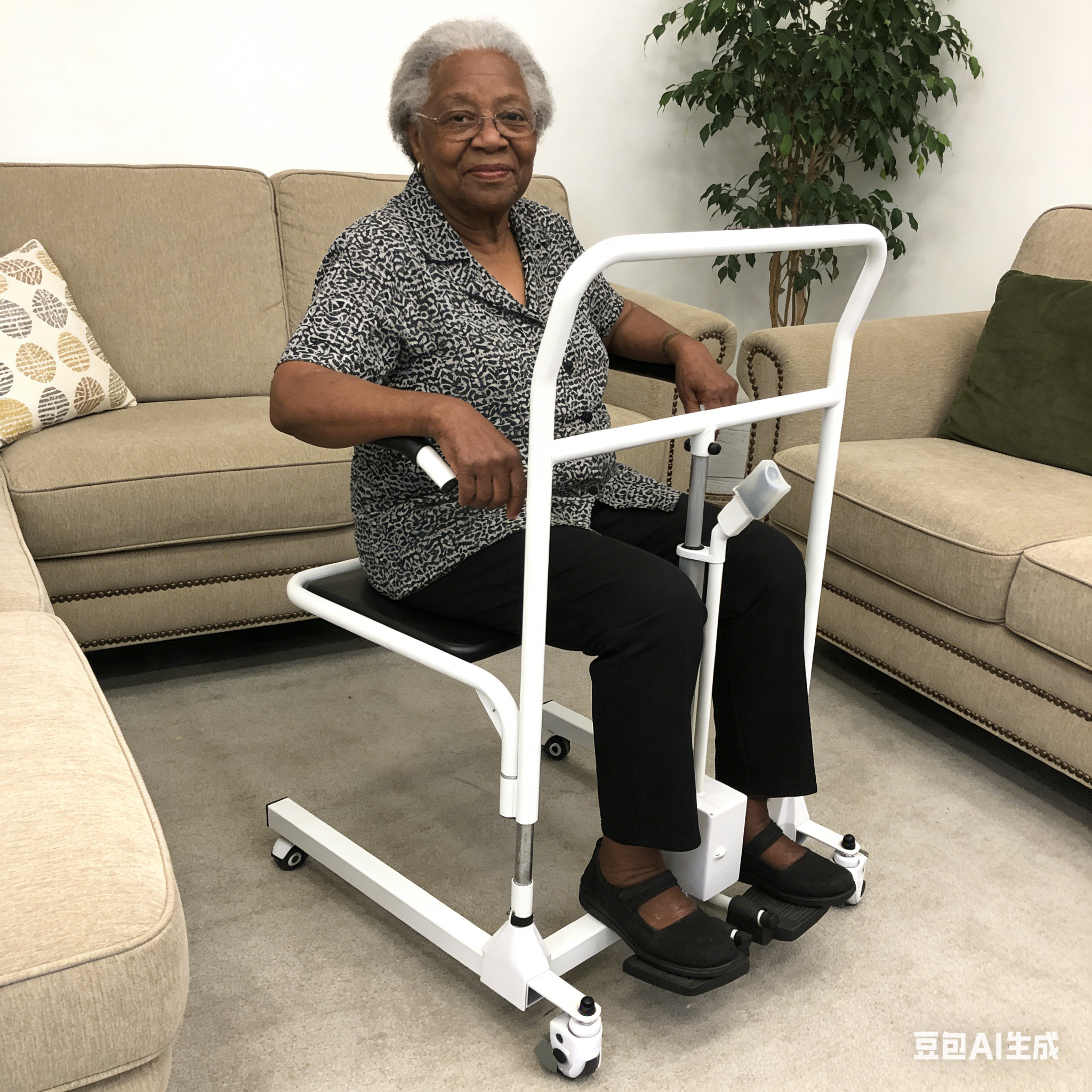
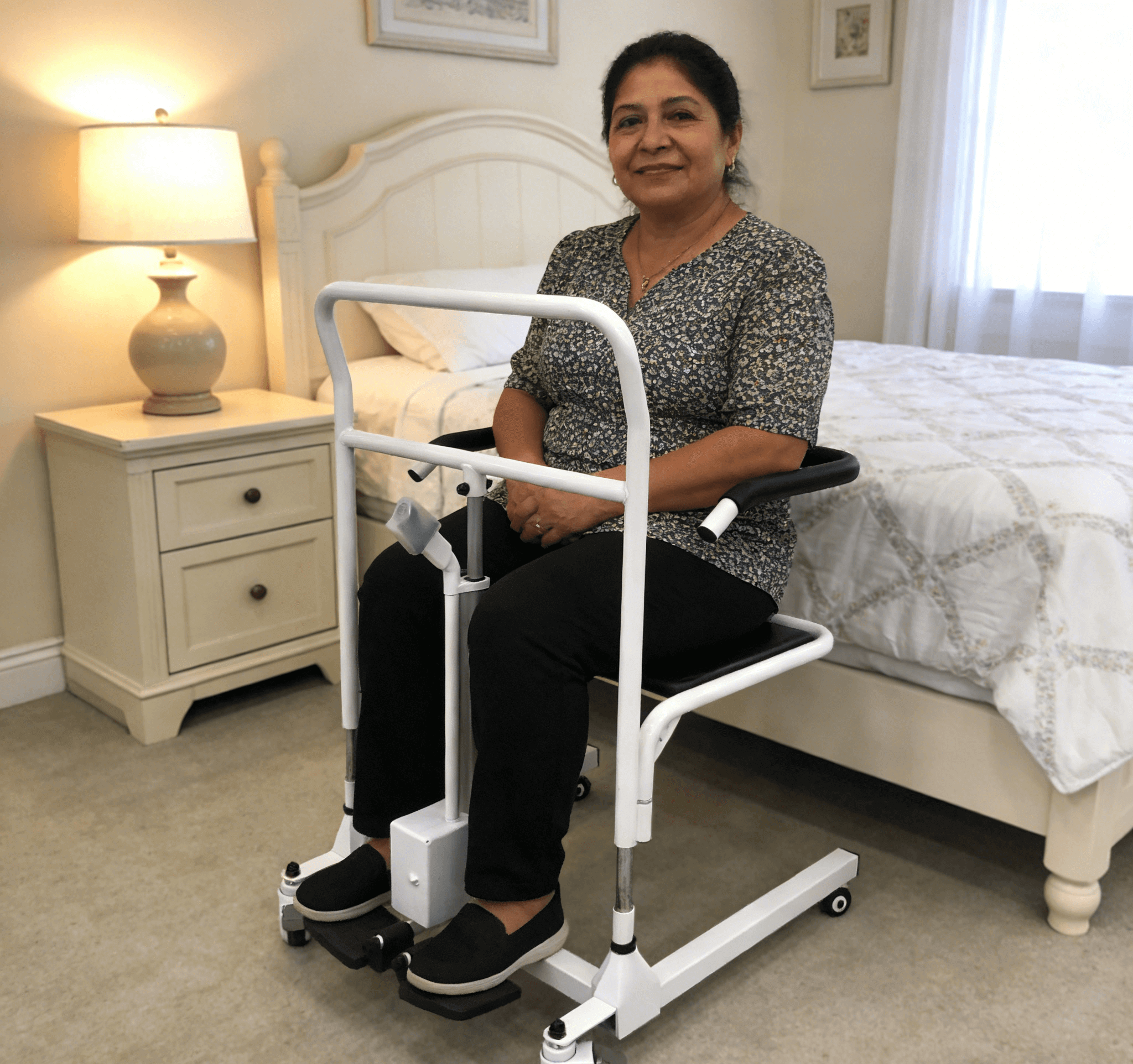
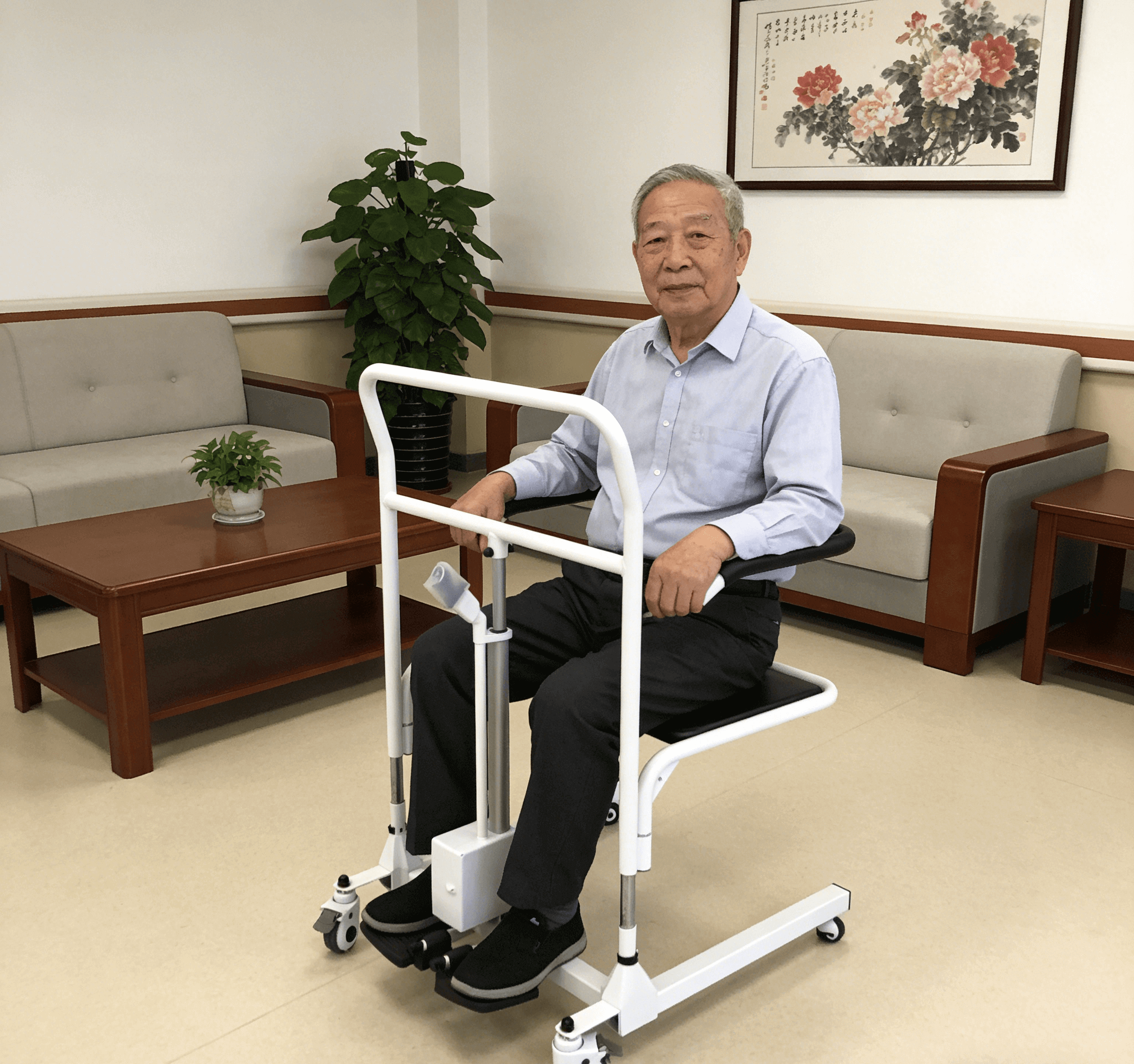
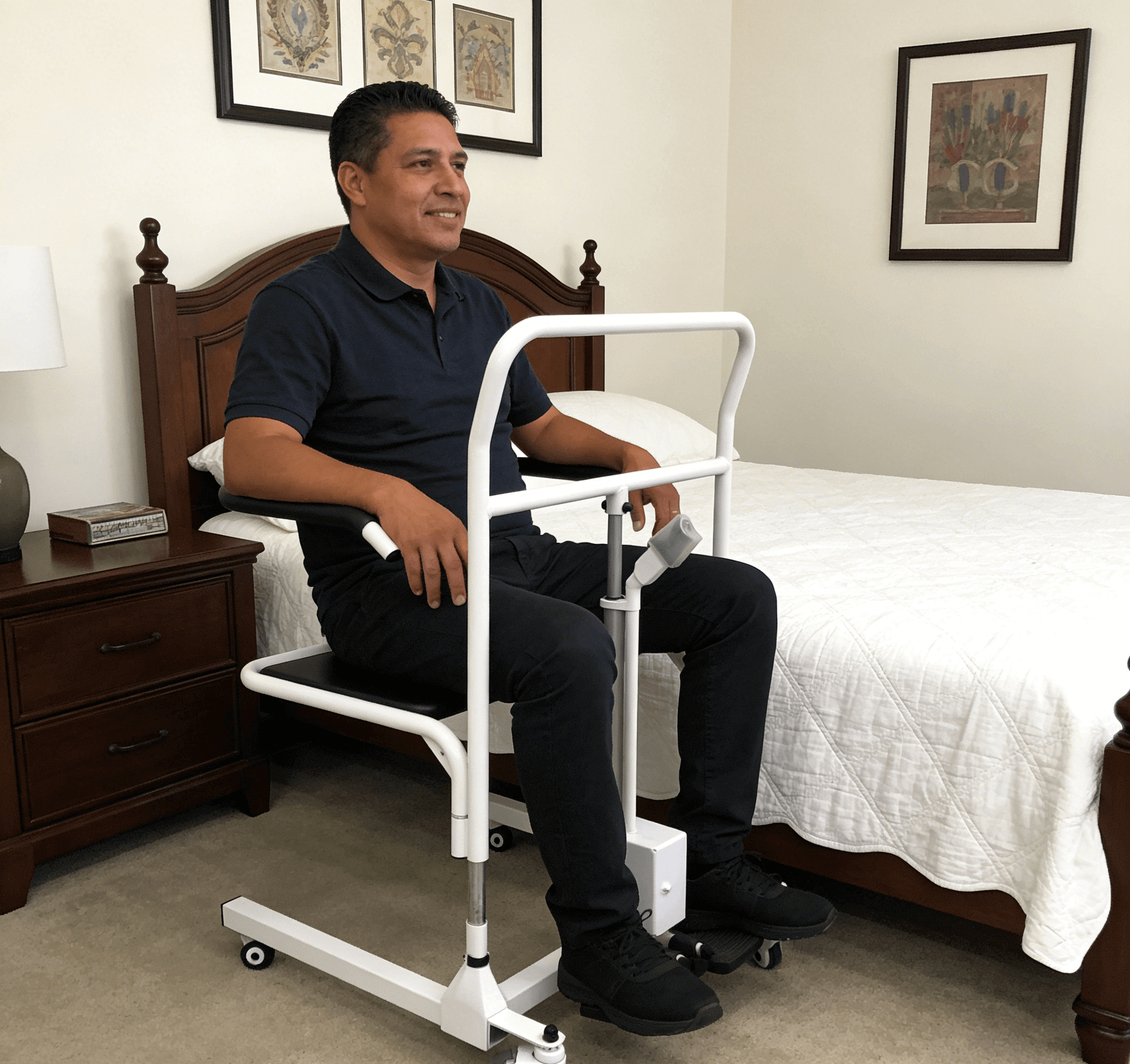
Traditional Hoyer Lifts are primarily used to horizontally transfer users from one seated position (e.g., a bed) to another (e.g., a wheelchair). However, when the goal is to stand, hoyer lift for standing a more specialized device—the stand-up lift—becomes a key tool. It does more than just complete an action; it opens a door to a range of physical and mental health benefits.
I. What Is a Stand-Up Lift? How Does It Differ from Traditional Lifts?
Traditional Hoyer Lifts
They mainly provide support under the user’s armpits and thighs via slings, "lifting" the user and moving them while suspended. Users typically remain in a seated position throughout the process.
Stand-Up Lifts
Designed to safely and smoothly lift users from a seated position to a standing posture, and may enable short-distance movement. The core differences lie in their support method and movement trajectory.
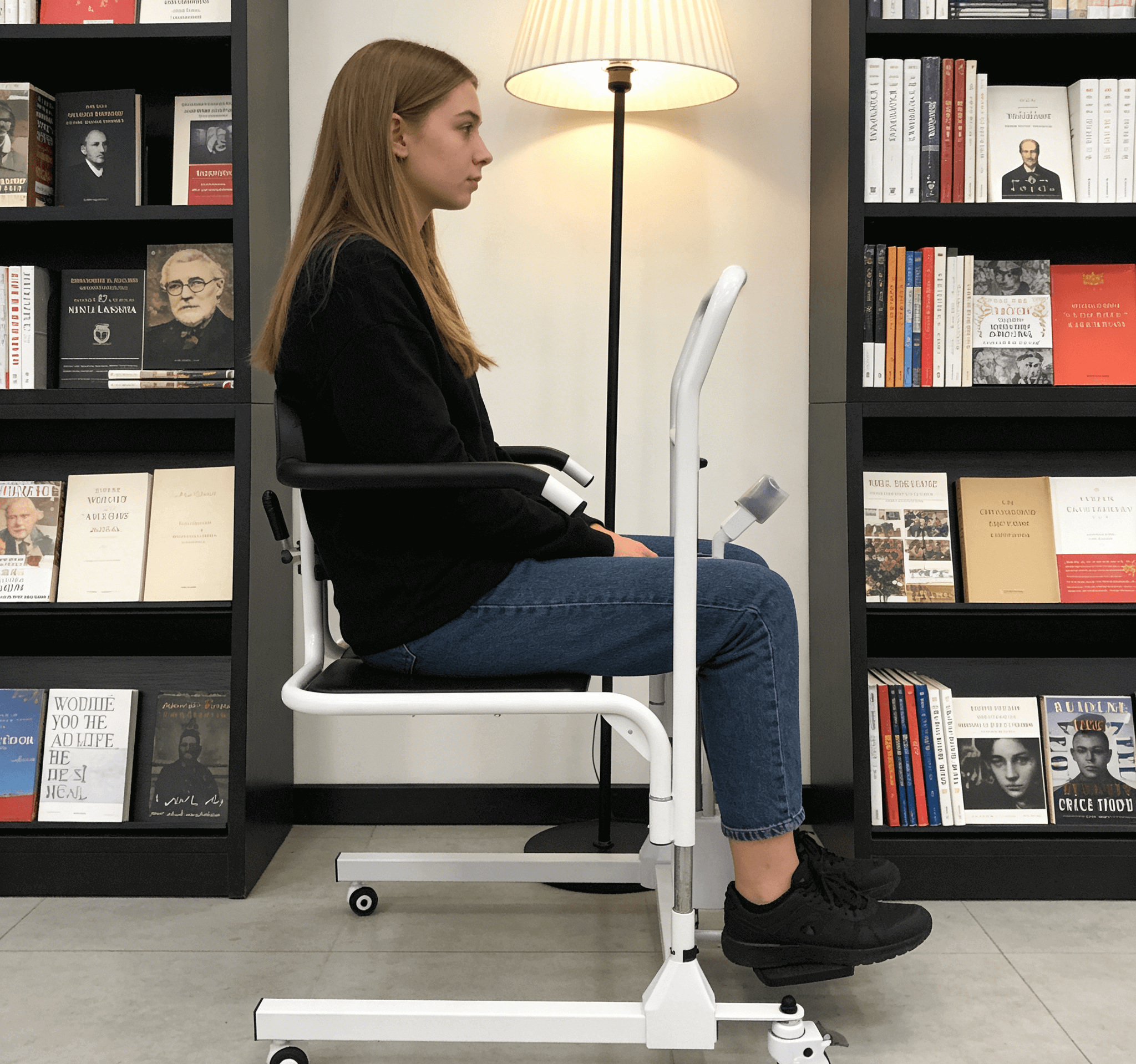
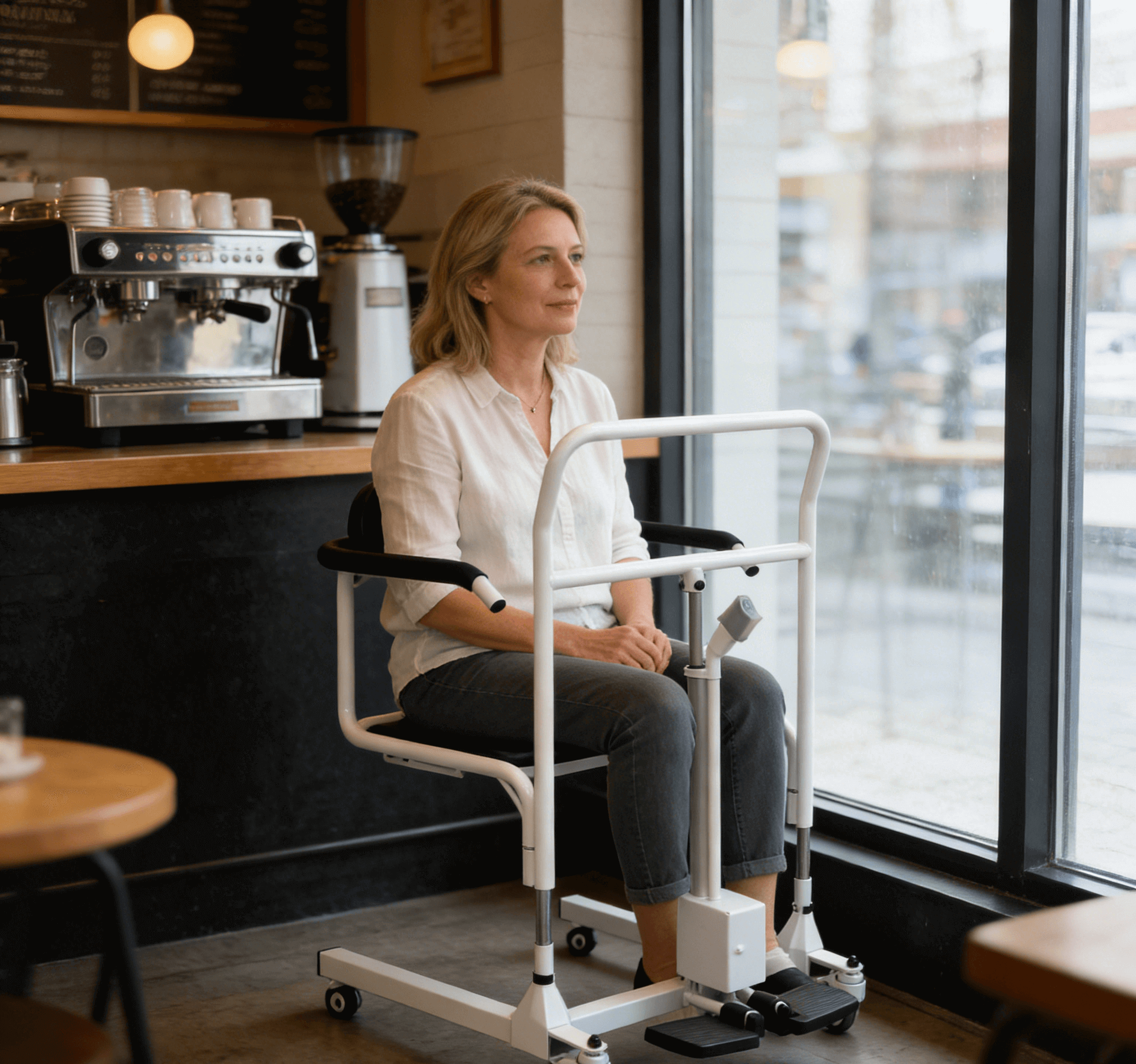
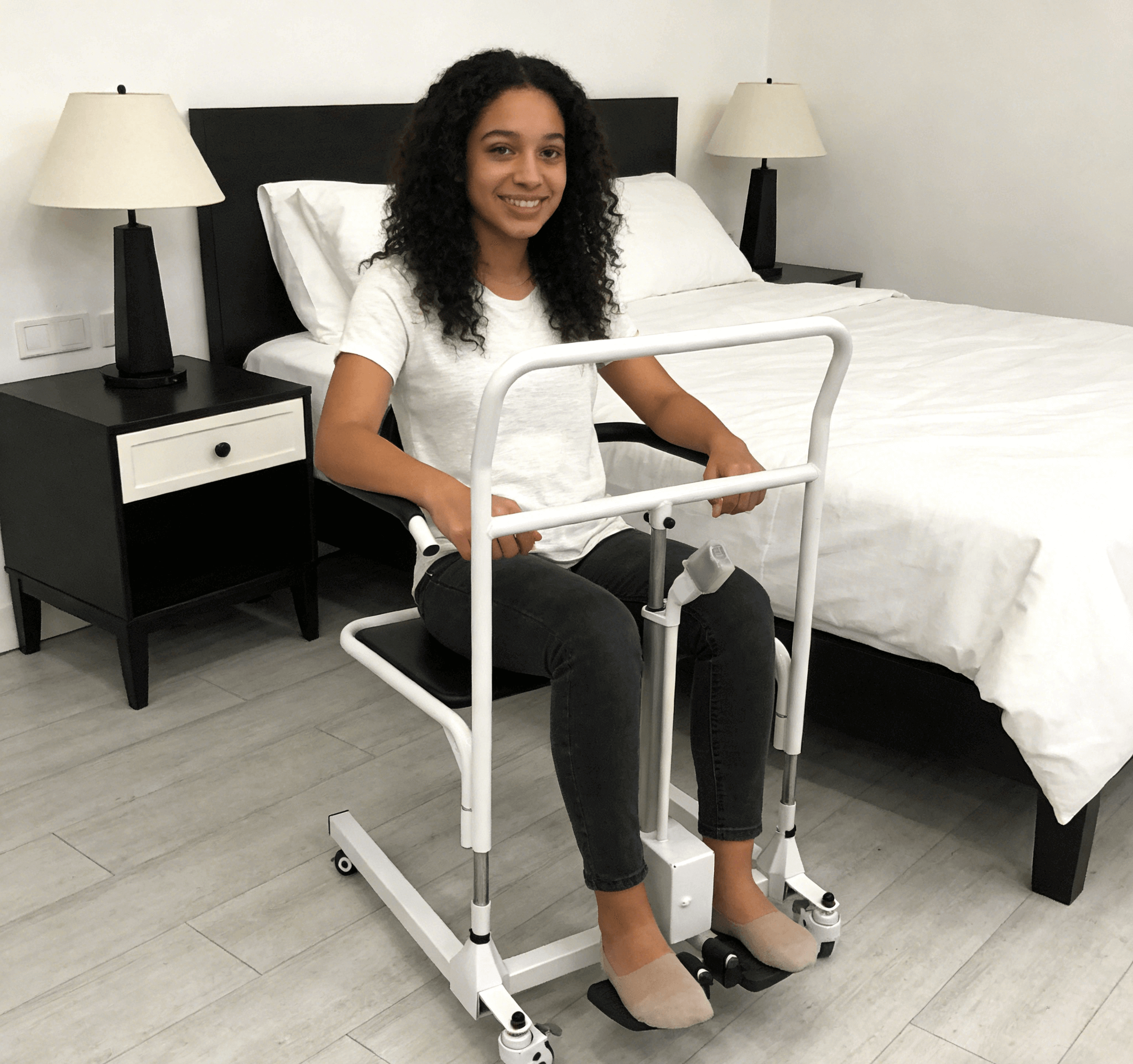
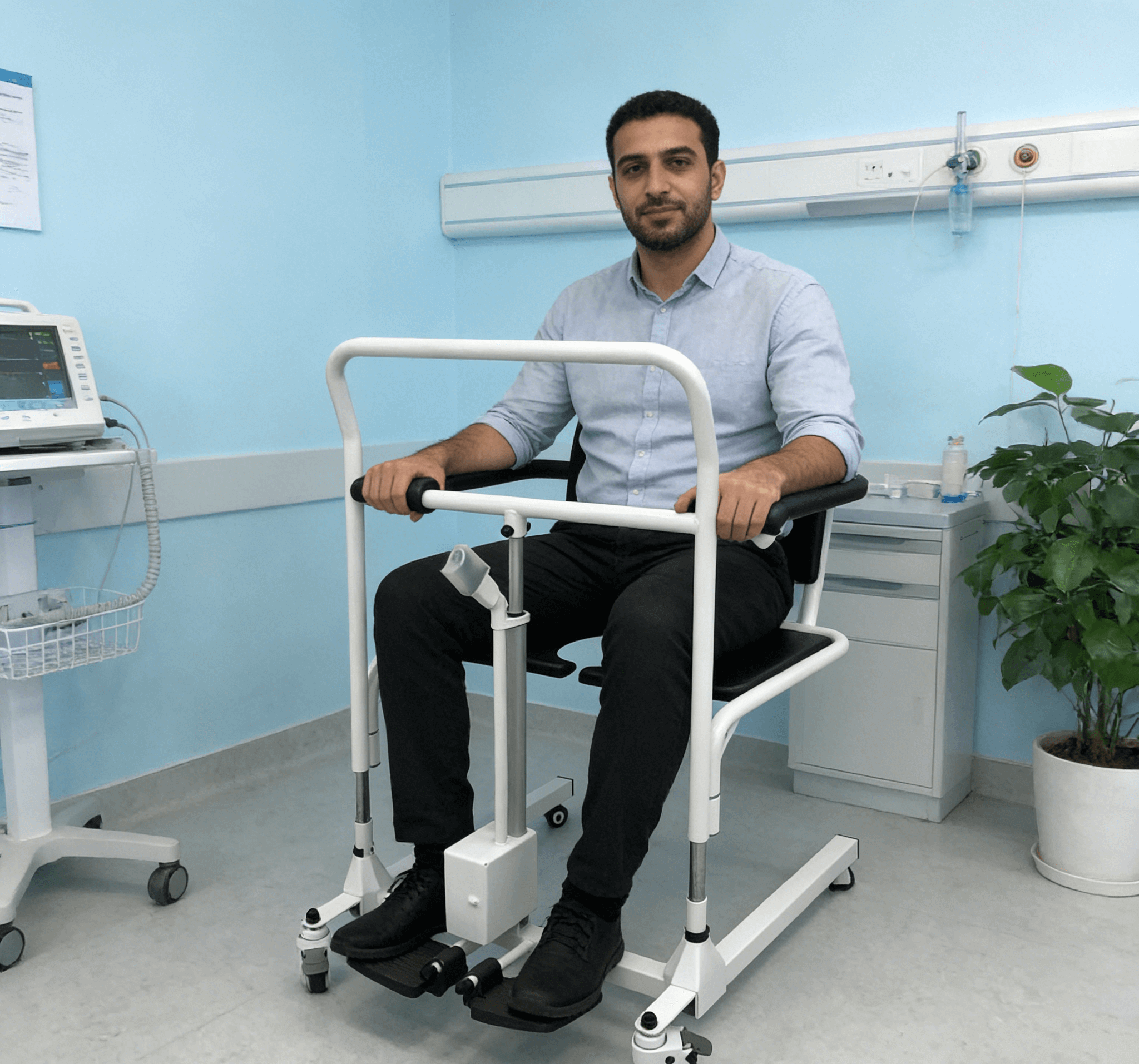
Key Components of a Stand-Up Lift:
Knee pads/support cushions: Secure the user’s lower leg shins.
Hip/thigh support cushions: Provide support under the user’s hips and lower thighs.
Chest support pad/barrier: Supports the front of the user’s torso to prevent forward leaning.
Adjustable armrests: For the user to grip (if their upper limb function allows).
Through a precision mechanical structure, these support cushions work together to simulate the natural arc of movement from "sitting to standing."
II. Significant Health Benefits of Assisted Standing
Regular standing, even for short periods, offers systemic benefits that cannot be replaced by medication:
Physical Health Benefits
Improves circulation and cardiovascular health: Counteracts orthostatic hypotension, promotes blood circulation, and reduces the risk of deep vein thrombosis.
Enhances bone health: Applies appropriate pressure to bones, helping maintain bone density and prevent osteoporosis.
Boosts respiratory and digestive function: When standing, the diaphragm descends, hoyer lift for standing allowing the lungs to expand more fully (benefiting breathing); it also aids intestinal peristalsis.
Reduces muscle spasms and joint contractures: Stretches the hips, knees, and ankles to prevent muscle shortening and joint stiffness.
Skin Health Benefits
Effectively prevents pressure sores: Relieves pressure on the sacrococcygeal region and ischial tuberosities, making it one of the most effective ways to prevent pressure sores.
Functional, Psychological, and Social Benefits
Paves the way for rehabilitation training: Serves as a crucial first step toward walking and transfer training.
Enhances functional activity ability: Standing makes it easier to perform tasks such as dressing, using the toilet, and transferring.
Boosts psychological well-being: Restoring an upright perspective allows eye contact with others and participation in activities at the same horizontal level, significantly improving self-confidence, dignity, and social engagement.
III. Who Is Most Suitable for Using a Stand-Up Lift?
Patients with neurological disorders: Such as those with multiple sclerosis, spinal cord injuries, or post-stroke sequelae.
Long-term wheelchair users: Who need regular standing to gain health benefits.
Individuals with insufficient muscle strength: Those with inadequate lower limb or core strength to stand independently, but with some remaining upper limb function.
Rehabilitation patients: As part of a rehabilitation program under the guidance of a physical therapist.
IV. Key Steps for Safe Use of a Stand-Up Lift
Professional Assessment Is a Prerequisite
An occupational therapist or physical therapist must evaluate the user’s physical condition, joint range of motion, and cognitive ability to determine suitability and select the appropriate device.
Precise Positioning
Secure the user’s wheelchair or chair.
Move the stand-up lift directly in front of the user, hoyer lift for standing ensuring their lower legs are snug against the knee pads and their feet are flat on the footrests.
Proper Securing
Fasten the safety belt (if available).
Adjust all support cushions (knee, hip, chest) to ensure a snug but not overly tight fit.
Smooth Standing
Operate the device to slowly lift the user to a standing position.
Observe the user’s reactions during the process and ask if they feel dizzy or uncomfortable.
Care During Standing
Have the user remain in a fully standing position for a period (starting with a few minutes and gradually extending).
The caregiver must stay by the user’s side at all times to ensure safety.
Smooth Sitting
Operate the device slowly to safely lower the user back to a seated position.
V. Important Precautions
Contraindications: Extra caution or prohibition is required for users with severe osteoporosis, unhealed fractures, special restrictions after hip replacement surgery, or extremely unstable blood pressure.
Skin Checks: After each use, inspect the skin in areas in contact with the support cushions.
Never Leave Unattended: The user must never be left alone while on the stand-up lift.
Patience and Communication: First-time users may feel anxious. Adequate communication and slow, gradual attempts are key to success.
Conclusion
Stand-up lifts redefine the functional boundaries of Hoyer Lifts. They transform from a mere transfer tool into an active health management platform. For those unable to stand independently, stand-up lifts restore the ability to experience an upright posture, bringing far-reaching positive impacts on physical, functional, and psychological levels. Investing in a stand-up lift is more than buying a device—it is investing in a healthier, more dignified lifestyle with greater engagement in the world.